Living in Marbella in 2026: The Complete Lifestyle Guide for Residents, Retirees and Second-Home Owners
A data-grounded guide to living in Marbella in 2026: population, climate, healthcare, schools, transport and registered property prices across 62 zones.
Living in Marbella means waking up to 3,427 hours of annual sunshine, sharing a town of 173,420 registered inhabitants with people from 156 countries, and choosing between a 2,197 EUR per square metre apartment in a working-class barrio and a 16,889 EUR per square metre penthouse on the Golden Mile (registered notarial closing prices, Consejo General del Notariado, July 2026). This guide anchors every lifestyle claim to published data, not marketing copy, because anyone researching a move or a second home here has already read five agency blogs that say the same thing.
What is daily life in Marbella actually like?
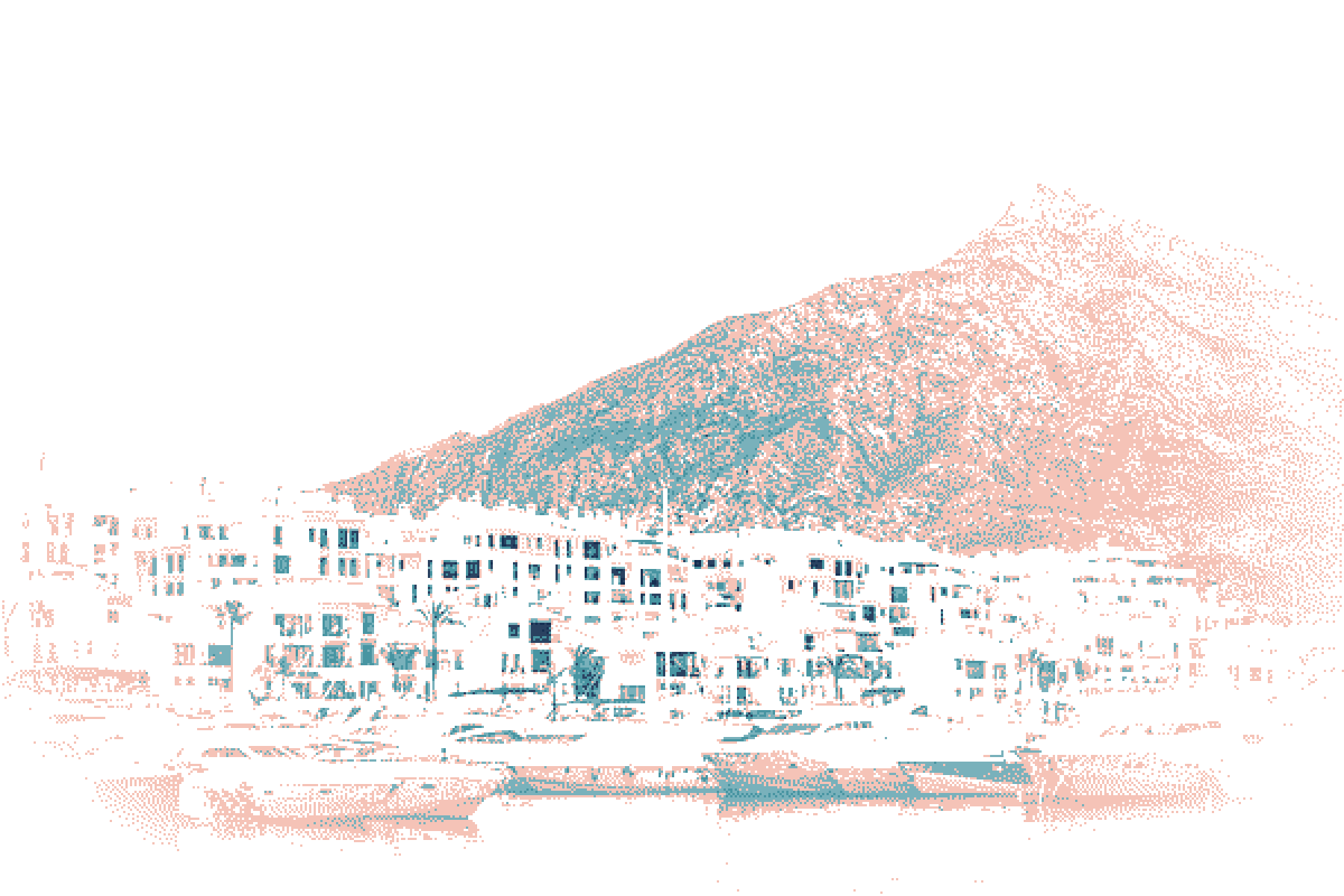
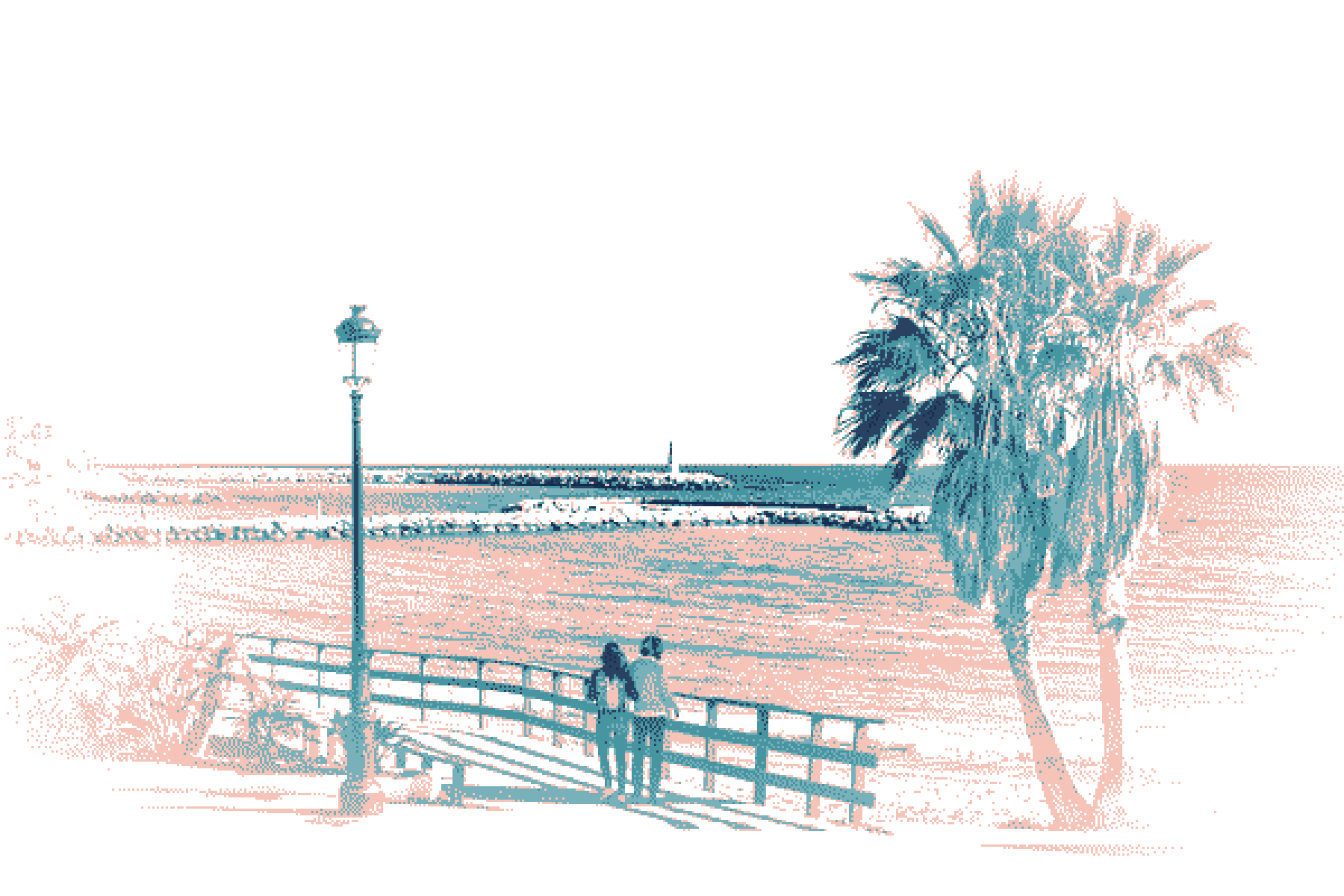
Daily life in Marbella unfolds across a 27-kilometre coastline that runs from the Guadalmina river in the west to Cabopino in the east, backed by the Sierra Blanca mountains. The town splits into distinct lived zones: the historic old town (Marbella Centro, Marbella Pueblo) with its orange-tree-plaza charm, the Golden Mile beachfront promenade connecting the centre to Puerto Banús, the golf-valley sprawl of Nueva Andalucía, the family-oriented east around Elviria and Las Chapas, and the inland hillside estates of Sierra Blanca and La Zagaleta. Each has its own rhythm.
The central old town is genuinely Spanish. The Plaza de los Naranjos fills with locals and visitors every evening, the fish market on Avenida duque de Ahumada opens at dawn, and the narrow streets behind the Calle Ancha carry the same tapas-bar density they have for decades. This is not a theme park. Marbella Centro’s registered notarial closing price runs at 3,280 EUR per square metre (Consejo General del Notariado, July 2026), which places it in the lower-middle band of Marbella zones. Residents who live here walk to everything.
The Golden Mile, by contrast, is where the international money lives. This is the beachfront strip from the centre to Puerto Banús, lined with resort hotels, gated communities and the Puente Romano complex. The median notarial figure here is 6,343 EUR per square metre, and the Puente Romano zone at its western end registers 16,889 EUR per square metre, the highest in the municipality. For more on the buying process and area selection, see the complete Marbella buyer’s guide.
Who lives in Marbella?
Marbella’s population is 173,420 according to the municipal register at the end of 2025, as reported by the town hall. The Instituto Nacional de Estadística (INE) maintains a lower official figure of around 159,000, because it applies downward adjustments to the municipal count. The gap, roughly 8,000 to 14,000 people, reflects unregistered residents and the INE’s conservative revision process.
What makes Marbella demographically distinctive is its international composition. Foreign nationals account for 36.45 per cent of all residents, a total of 63,206 people from 156 nationalities. Over 90 per cent of the 6,830 new residents registered in 2025 were foreign. The largest foreign communities are Moroccan (6,133), British (5,838), Ukrainian (5,226), Colombian (5,209) and Russian (3,419). The British remain the second-largest foreign nationality despite Brexit, growing by 342 in 2025 alone. US residents grew by 29 per cent, though from a small base (725 total).
This is not a retirement colony. The growth in Colombian, Ukrainian and Filipino communities (831, 372 and 339 new residents respectively in 2025) points to working-age migration, much of it in hospitality, construction and domestic services. Meanwhile, the Swedish (2,033), German (2,058) and Italian (2,844) communities represent the European buyer and second-home cohort that drives the prime property market.
What is the climate like in Marbella?
Marbella’s climate is classified as Csa (warm Mediterranean) under the Koppen system, with an average annual temperature of 17.3 degrees Celsius. The warmest month is August at 24.7 degrees, the coldest is January at 11.2 degrees. The coastal position and the Sierra Blanca shelter create a microclimate that is milder than inland Andalusia: summer highs rarely exceed 28 degrees on the coast (though inland urbanizations can be warmer), and winter lows almost never drop below 8 degrees.
| Month | Avg temp (C) | Daily sun (hours) | Rainfall (mm) | Rainy days |
|---|---|---|---|---|
| January | 11.2 | 7.0 | 88 | 8 |
| February | 11.6 | 7.0 | 76 | 6 |
| March | 13.3 | 8.0 | 81 | 6 |
| April | 15.1 | 10.0 | 59 | 5 |
| May | 17.9 | 12.0 | 34 | 4 |
| June | 21.8 | 13.0 | 9 | 2 |
| July | 24.5 | 13.0 | 1 | 0 |
| August | 24.7 | 12.0 | 5 | 1 |
| September | 21.9 | 10.0 | 32 | 3 |
| October | 18.6 | 8.0 | 83 | 6 |
| November | 14.2 | 7.0 | 94 | 6 |
| December | 12.2 | 6.0 | 124 | 7 |
Annual precipitation totals approximately 686 millimetres, concentrated between November and March. July is effectively rainless (1 millimetre, zero rainy days on average). The sea temperature ranges from 14.1 degrees in February to 21.1 degrees in August. For a full regional breakdown, see the Costa del Sol weather and seasons guide.
Where do full-time residents actually live?
Full-time residents cluster in zones that balance walkability, amenities and value. The registered notarial closing prices (Consejo General del Notariado, July 2026) tell the story clearly.
San Pedro de Alcántara (3,447 EUR per square metre all-types) is the family hub. Its pedestrian boulevard, shops, schools and beach access make it the most popular year-round residential zone for foreign families. It sits at the western edge of Marbella municipality, linking to Guadalmina Baja to the south and Nueva Andalucía to the east.
Nueva Andalucía (4,293 EUR per square metre) is the golf-valley residential heart. It houses the densest concentration of international residents in gated communities around the Aloha, Las Brisas and Los Naranjos golf courses. The Nueva Andalucía area guide covers the lifestyle in depth.
Elviria (3,865 EUR per square metre) is the east Marbella family zone, home to the English International College and a stretch of blue-flag beaches. It attracts Nordic and British families who want beachside living without Golden Mile prices. See the Elviria zone guide.
Marbella Centro and Marbella Pueblo (3,280 and 3,630 EUR per square metre) attract residents who want urban life: walk to restaurants, the market, the old town. These are the zones where Spanish residents still dominate.
The hillside estates (Sierra Blanca at 6,089, Cascada de Camoján at 9,280 EUR per square metre) are where the ultra-prime second-home market sits. These are not full-time living zones for most residents, though some do live there year-round behind gates.
How does healthcare work in Marbella?
Marbella’s public healthcare is anchored by the Hospital Universitario Costa del Sol, a Servicio Andaluz de Salud (SAS) hospital in Marbella that serves the entire western Costa del Sol. The hospital completed a 100 million euro expansion in 2026, adding new surgical wings and increasing capacity after a project that was approved in 2007, stalled in 2010 and reactivated in 2021. It is the reference hospital for Marbella, Estepona, Benahavís and Manilva residents.
Legal residents with a Spanish social security number (or those covered by an S1 form from another EU country) access the public system free at point of use. Non-residents and those who want faster access use the private system, which includes hospitals like Hospital Ceram and Clinica Santa Elena, plus a dense network of English-speaking specialists. Private insurance for a family of four typically costs 150 to 300 euros per month. For a full breakdown of hospitals, insurance costs and the Convenio Especial (a public healthcare access route for non-residents), see the Costa del Sol healthcare guide and the Marbella private healthcare guide.
What about schools and education?
Marbella has one of the highest concentrations of international schools on the Costa del Sol. The main institutions include:
- English International College (EIC) in Elviria: British curriculum, popular with east Marbella families
- Swans International School on Sierra Blanca: IB and British curriculum, bilingual
- Aloha College in Nueva Andalucía: British curriculum, the largest international school in the golf valley
- Laude San Pedro International College in San Pedro de Alcántara: British and Spanish curriculum
Fees typically range from 6,000 to 18,000 euros per year depending on the age group and curriculum. Spanish public schools are free for residents and the quality in Marbella is generally good, though classes are in Spanish. For a full curricula and fee breakdown by municipality, see the Costa del Sol international schools guide and the Marbella schools guide.
How do you get to and around Marbella?
Marbella is 39 kilometres from Málaga Airport (AGP), the nearest international airport. The Avanza bus service runs hourly from the airport to Marbella bus station, taking approximately 45 minutes and costing 7 to 11 euros. By car, the AP-7 toll motorway or the free A-7 coastal road both reach Marbella in about 45 minutes.
There is no train station in Marbella. The nearest rail connection is at Málaga Maria Zambrano, which connects to the AVE high-speed network to Madrid, Seville and Córdoba. A proposed coastal rail link remains in planning stages.
Within Marbella, local bus lines connect the centre to San Pedro, Puerto Banús, Nueva Andalucía and the eastern beaches. Most residents in the central and coastal zones walk or drive. The hillside urbanizations (Sierra Blanca, La Zagaleta, El Madronal) require a car. For relocation logistics including the NIE, empadronamiento and residency registration, see the Marbella relocation playbook and the empadronamiento guide.
What does it cost to live in Marbella?
Marbella’s cost of living runs above the Andalusian average but below northern European cities. A couple can live comfortably on 2,500 to 4,000 euros per month excluding rent or mortgage, depending on lifestyle. Groceries, utilities and dining out are cheaper than in London or Munich, but property costs are the defining variable.
The registered notarial closing prices (Consejo General del Notariado, July 2026) across Marbella’s 62 covered zones tell the affordability story:
| Band | Zone examples | EUR per m2 (all-types) |
|---|---|---|
| Entry | Santa Marta, Plaza de Toros, La Patera | 2,197 to 2,459 |
| Mid-market | San Pedro de Alcántara, Marbella Centro, Elviria | 3,280 to 3,865 |
| Premium | Nueva Andalucía, Cabopino, Rio Real | 4,140 to 4,838 |
| Prime | Golden Mile, Casablanca, Puerto Banús | 5,494 to 9,474 |
| Ultra-prime | Puente Romano, Cascada de Camoján | 9,280 to 16,889 |
The median across all 62 zones is 4,279 EUR per square metre. Apartments command a slightly higher median (5,054 EUR per square metre across 54 zones with apartment data) because the apartment sample skews toward the central and beachfront zones where apartments dominate. Villas median at 4,612 EUR per square metre across 47 zones. For a full cost breakdown including groceries, utilities and school fees, see the Marbella cost of living guide.
What are the trade-offs of living in Marbella?
Marbella is not perfect, and an honest guide says so.
Summer crowding. July and August bring peak tourist numbers. The AP-7 motorway slows, restaurant reservations become essential, and the beaches fill. Residents who can leave in August often do. The population effectively doubles on the coast during peak weeks.
The PGOU legacy. Marbella’s urban planning history includes the GIL era corruption scandals and the 2010 PGOU annulment that left 16,500 homes in legal limbo. The new PGOM (Plan General de Ordenacion Municipal) is working through this backlog. If you are buying, your lawyer must check the planning status. See the Marbella PGOU guide for the full legal history.
No train. The absence of a rail link is a genuine inconvenience. Málaga Airport is a 45-minute drive or bus ride, and there is no train alternative. The proposed coastal rail corridor has been discussed for over a decade without construction starting.
Seasonal employment. The local economy is tourism-dependent. Hospitality work contracts are often seasonal (six months on, six months off). This affects the employment market for residents who are not remote workers or retirees.
Tourism pressure in the old town. The historic centre is beautiful but heaving in summer. Residents in Marbella Centro and Marbella Pueblo deal with noise, parking difficulty and foot traffic from June to September.
How does Marbella compare to other Costa del Sol towns?
Marbella sits at the premium end of the Costa del Sol market. The best areas to live on the Costa del Sol guide covers the full range. In short: Estepona is cheaper and more Spanish, Benahavís is a gated-estate enclave, Mijas offers hillside village character at lower prices, and Sotogrande is the other premium market at the western end of the coast. The Marbella vs Estepona comparison breaks down the price and lifestyle differences in detail.
For a full overview of the regional market context, see the Marbella market report and the Golden Triangle market report.
Frequently asked questions
- Is Marbella a good place to live year-round?
- Yes. Marbella's mild microclimate (17.3 degrees Celsius average, minimal winter rainfall in the coastal strip), established international community (36 per cent foreign residents from 156 nationalities), public hospital, international schools and 27 kilometres of beaches make it one of the most liveable towns on the Spanish Mediterranean. The trade-off is summer crowding and a cost of living above the Andalusian average.
- How many people live in Marbella?
- The municipal register (padron) recorded 173,420 inhabitants at the end of 2025, up from 166,999 a year earlier. The INE's official figure is lower at around 159,000 because it applies downward adjustments. Over 90 per cent of new residents in 2025 were foreign nationals.
- Do I need a car to live in Marbella?
- Not in the central coastal strip. Marbella town, San Pedro Alcantara and the beachfront districts are walkable and served by local buses. A car becomes useful for the hillside urbanizations (Sierra Blanca, La Zagaleta, El Madronal) and for reaching Málaga Airport, which is 39 kilometres away. There is no train station in Marbella.
- What is the weather like in Marbella in winter?
- January averages 11.2 degrees Celsius with daytime highs around 14 degrees and roughly 7 sunshine hours per day. Frost is essentially unknown on the coast. December is the wettest month at 124 millimetres, but rain falls on only 7 days on average. The sea stays around 14.7 degrees, too cold for most swimmers.
- Are there international schools in Marbella?
- Yes. Marbella has one of the densest concentrations of international schools on the Costa del Sol, including the English International College in Elviria, Swans International School on Sierra Blanca, Aloha College in Nueva Andalucía and several others. Fees typically range from 6,000 to 18,000 euros per year depending on age and curriculum.
- How expensive is it to live in Marbella?
- Marbella's cost of living sits above the Spanish average but below major northern European cities. A couple can live comfortably on 2,500 to 4,000 euros per month excluding rent, depending on lifestyle. Property prices span a wide range: the median notarial closing price across 62 zones is 4,279 EUR per square metre, but prime areas exceed 16,000 EUR per square metre.
Sources and data
- Padron municipal de habitantes: cifras oficiales de poblacion municipal — Instituto Nacional de Estadistica (INE)
- El Padron de Marbella mantiene su crecimiento sostenido y se situa en 166.999 habitantes a finales de 2024 — Ayuntamiento de Marbella
- Marbella population 2025: 90% of new residents are foreigners — Sur in English
- Marbella climate: Average Temperature by month, Marbella water temperature — Climate-Data.org
- Hospital Universitario Costa del Sol - Servicio Andaluz de Salud — Junta de Andalucia - Servicio Andaluz de Salud
- Weather. Today and last days: Marbella - Datos horarios — AEMET (Agencia Estatal de Meteorologia)
- Centro de Informacion Estadistica del Notariado (notarial transaction statistics) — Consejo General del Notariado