
Bahía de Marbella Property Prices in 2026: Notarial EUR/m2 in Marbella's Secure Beachfront Urbanization
Registered notarial prices for Bahía de Marbella in 2026: what homes actually sold for per square metre in this secure beachfront Marbella urbanization.
In Bahía de Marbella, the registered sale price, what buyers actually paid at the notary, averaged 5,809 EUR/m2 across all property types in June 2026, with apartments at 5,875 EUR/m2 and villas at 5,590 EUR/m2 (listyco notarial data, 2026-06, Consejo General del Notariado). The apartment figure sitting above the villa figure is the story of this zone: a secure, consolidated beachfront urbanization where premium penthouse apartments trade at higher per-square-metre prices than detached houses. New-build villas registered at 5,699 EUR/m2 and older resales at 5,544 EUR/m2. These are real closing prices, not asking prices, and the apartment-villa inversion is what makes this zone distinct among east Marbella addresses.
What did property actually sell for in Bahía de Marbella in 2026?
Registered notarial sales averaged 5,809 EUR/m2 across all property types in June 2026, with apartments at 5,875 EUR/m2 and villas at 5,590 EUR/m2 (listyco notarial data, Consejo General del Notariado). Unlike neighbouring villa-dominant zones where apartment data is too thin to report, Bahía de Marbella registered enough apartment transactions to produce a reliable figure, and that figure came in above the villa average. New-build villas registered at 5,699 EUR/m2, older resale villas at 5,544 EUR/m2. Every figure here is a signed deed price recorded at the notary, the most reliable public signal of what a home in this urbanization actually changed hands for.
| Property type | Registered price (EUR/m2), Bahía de Marbella, June 2026 |
|---|---|
| All property types | 5,809 |
| Apartments | 5,875 |
| Villas (all categories) | 5,590 |
| New-build villas | 5,699 |
| Older resale villas | 5,544 |
Source: listyco notarial data, 2026-06 (Consejo General del Notariado). All five metrics registered enough transactions this month to report a reliable figure, which is unusual for a single urbanization and reflects the transaction volume this complex generates.
How does Bahía de Marbella compare to its neighbouring zones?
Bahía de Marbella registered 5,809 EUR/m2 across all property types in June 2026, which places it at the top of the east Marbella registered-price ladder on the same notarial measure (listyco notarial data, 2026-06, Consejo General del Notariado). The comparison below sets out the neighbouring zones side by side, all drawn from the same cache month so the figures are like-for-like registered closings rather than asking prices.
| Zone | All types (EUR/m2) | Apartments (EUR/m2) | Resale villas (EUR/m2) | Gap vs Bahía de Marbella (all types) |
|---|---|---|---|---|
| Bahía de Marbella (baseline) | 5,809 | 5,875 | 5,544 | - |
| Santa Clara | 5,224 | 5,931 | 3,334 | about 11 per cent below |
| Las Chapas | 5,093 | 4,027 | 6,929 | about 14 per cent below |
| Los Monteros | 4,541 | n/a | 5,182 | about 28 per cent below |
| Alto de los Monteros | 4,483 | 4,467 | 3,929 | about 29 per cent below |
| Rio Real and Los Monteros (combined) | 4,265 | 4,177 | 4,166 | about 36 per cent below |
| Costabella | 4,223 | 4,524 | 4,000 | about 37 per cent below |
Source: listyco notarial data, 2026-06 (Consejo General del Notariado). “n/a” marks a metric where the zone registered too few transactions to report a reliable figure. Gap percentages are rounded to the nearest whole per cent.
The standout read in this table is the villa line. Las Chapas registers resale villas roughly 25 per cent above Bahía de Marbella on the same notarial measure, even though its all-types average sits below. That inversion is the clearest expression of how the product mix drives the all-types headline: Bahía de Marbella’s all-types figure is lifted by its premium apartment stock, while Las Chapas’s all-types figure is pulled down by its apartment mix, and the villa sub-segment tells a different story. A buyer comparing the two zones for a villa specifically gets a different signal than a buyer comparing for an apartment.
The second read is the position of Los Monteros proper. The standalone Los Monteros zone, the frontline beach strip, registers a villa figure within about 7 per cent of Bahía de Marbella’s, even though its all-types average sits roughly 28 per cent below. That gap is apartment-driven: Los Monteros registered too few apartment transactions to report, so its all-types figure is effectively a villa-only reading, while Bahía de Marbella’s all-types blends the premium apartment stock that pulls the headline up. For a buyer choosing between a detached house on the Los Monteros strip and one inside the Bahía de Marbella complex, the registered villa figures are closer than the all-types headlines suggest.
What makes Bahía de Marbella different from other east Marbella zones?
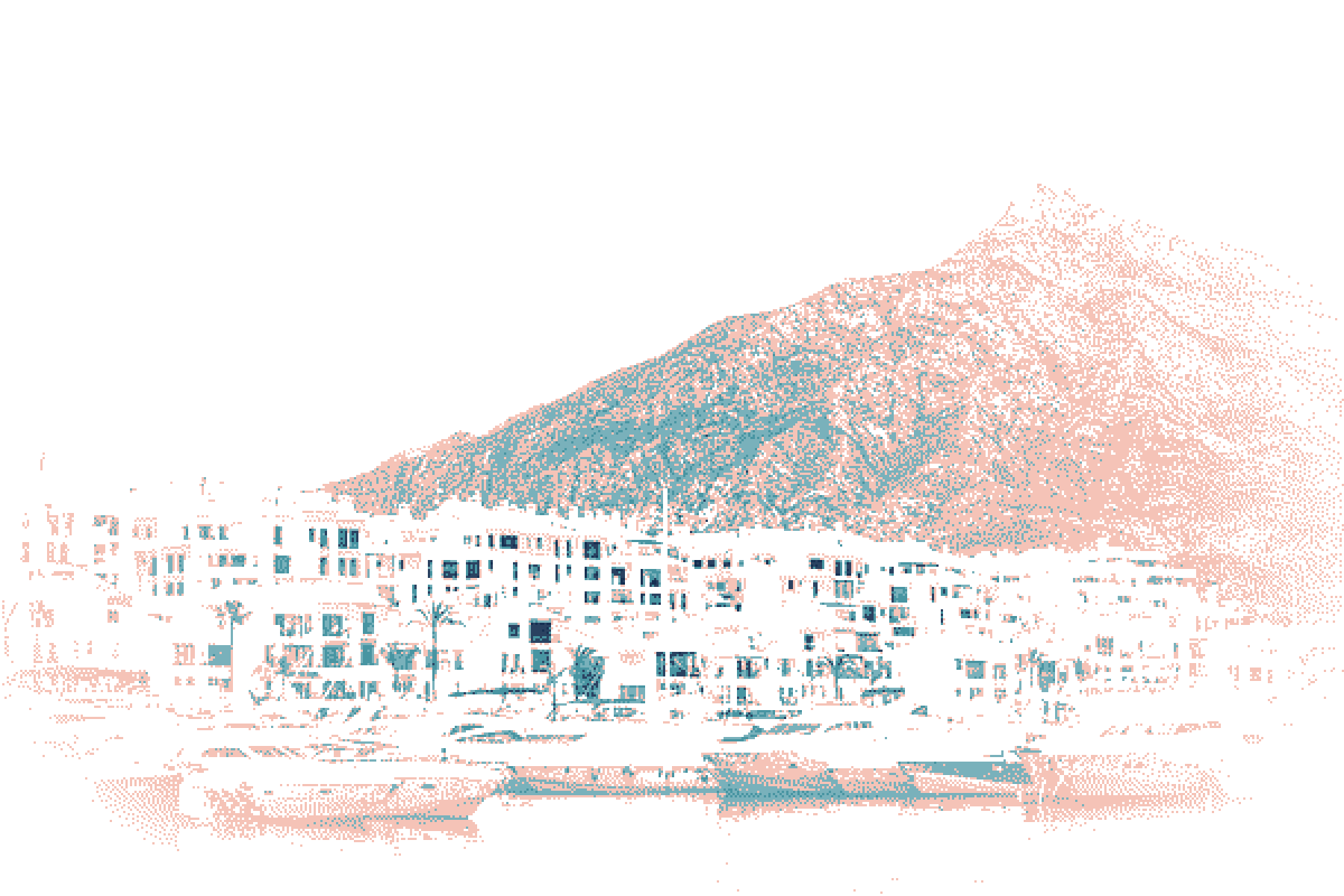
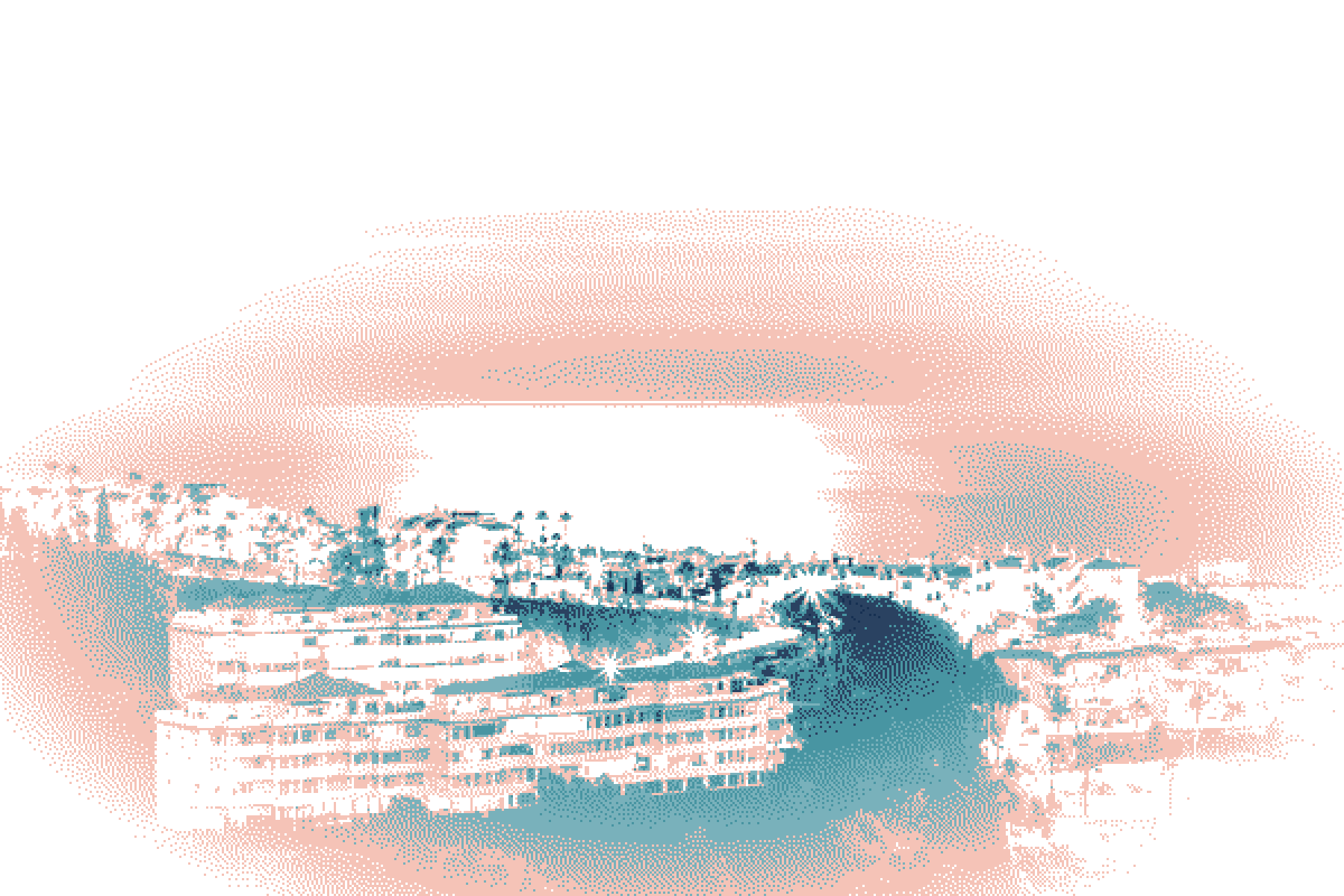
Bahía de Marbella is a planned beachfront urbanization on Marbella’s eastern corridor, distinct from the gated villa strips that characterise neighbouring Los Monteros. Rather than a single street of detached houses behind barriers, it is a consolidated residential complex that distributes apartments, penthouses, townhouses and independent villas across wide, well-connected streets. The urbanization operates with 24-hour security and concierge service, and its common areas carry tropical gardens, community pools and direct beach access. The overall feel is that of a cohesive resort-residential hybrid rather than a pure villa enclave.
The buyer profile reflects this. Purchasers here are a broader mix than the narrow villa-buyer cohort of the adjacent strips: UK, Nordic, German and Gulf second-home owners who want the security and amenities of a managed complex alongside beachfront position, plus a cohort of Spanish families drawn to the year-round liveability. The townhouse and apartment stock opens the zone to buyers who cannot or will not maintain a standalone villa, which is why the transaction mix here runs wider than in the villa-only zones nearby. A buyer choosing Bahía de Marbella over a pure villa strip is choosing managed amenities and community infrastructure over standalone privacy.
The location places it within the broader east Marbella corridor, a short drive from Marbella town centre and within reach of the international schools that serve the area. For the wider context of how this urbanization fits within the east Marbella landscape, including the hillside and golf-valley zones above, see the Los Monteros and East Marbella buyer guide. The neighbouring Santa Clara and Costabella posts set out the adjacent beachfront propositions.
What distinguishes the Bahía de Marbella sub-pockets?
The urbanization reads as a single managed complex from the outside, but the internal layout creates two distinct sub-markets that pull the registered averages in different directions. The frontline-beach line runs along the sand-facing edge of the complex: penthouse apartments and frontline townhouses with direct beach access, tropical-garden views and the strongest amenity density. This is where the premium apartment stock concentrates, and it is the sub-segment that pulls the 5,875 EUR/m2 apartment figure up above the villa figure.
The second line sits one block back from the sand, still inside the 24-hour security perimeter and still served by the community pools and gardens, but without the direct beach frontage. Here the stock tilts toward townhouses and the independent villas on the larger internal plots. The villa figure of 5,590 EUR/m2, and the narrower spread between new-build (5,699) and resale (5,544) villas, reflects this second-line composition: established detached houses on consolidated plots, where the premium for contemporary stock is modest because the complex is largely built out and new-build villas are infill rather than scheme-led.
The practical implication for a buyer is that the all-types 5,809 EUR/m2 average blends these two sub-markets. A frontline penthouse and a second-line villa are different products that happen to share a security gate and a community fee structure, and the registered average captures both. The frontline-beach premium is the single most important price driver inside the complex, and it shows up most clearly in the apartment line rather than in the villa line, which is the inverse of the pattern in the villa-only neighbouring zones.
Why do apartments outprice villas per square metre here?
The apartment figure of 5,875 EUR/m2 sitting above the villa figure of 5,590 EUR/m2 is the most distinctive signal in this zone’s data, and it deserves careful explanation. In most Marbella zones, villas register above apartments per square metre because detached beachfront houses on large plots command the highest prices. Here the pattern reverses, and the reason lies in the specific apartment stock within this urbanization.
The apartments in Bahía de Marbella are not generic holiday flats. They include large penthouses and frontline-beach units within a 24-hour-security complex with tropical gardens, community pools and direct sand access. These properties combine the three premiums that drive per-square-metre pricing on this coast: beachfront position, security infrastructure and managed amenities. A compact penthouse that captures all three will register a high per-square-metre figure because its value is concentrated into fewer built square metres. A villa, by contrast, spreads its value across a larger built footprint and plot, which can lower the per-square-metre reading even when the total price is higher.
This is not a signal that apartments are worth more than villas in absolute terms. A frontline villa here will cost more in total than a frontline apartment. The per-square-metre inversion tells you that the apartment stock in this specific urbanization carries an unusually high density of premium attributes per built square metre, which is a function of the complex’s design and the quality of its penthouse stock.
How does the wider Spanish market affect Bahía de Marbella’s 2026 prices?
The national and regional context matters for reading the Bahía de Marbella figure correctly. Tinsa’s IMIE Mercados Locales for the second quarter of 2026 put the annual variation of finished-housing prices at 15.2 per cent, with a 3.7 per cent quarterly advance, the highest annual rate since the third quarter of 2006 and 11.8 points above general inflation (Tinsa, IMIE Mercados Locales, Q2 2026, published 30 June 2026). For Marbella specifically, Tinsa reports an average finished-housing price of 3,694 EUR/m2 in Q2 2026, up 18.31 per cent year-on-year, with a 90-square-metre apartment at roughly 332,485 EUR (Tinsa, Precio vivienda Marbella, Q2 2026). The INE Housing Price Index for Q1 2026 reported an annual rate of 12.9 per cent, with new housing at 9.1 per cent and second-hand housing at 13.5 per cent, plus a 3.5 per cent quarterly advance on the new 2025 base (INE, HPI, Q1 2026).
The directional read for Bahía de Marbella is that its 5,809 EUR/m2 registered average runs well above the Marbella city Tinsa benchmark of 3,694 EUR/m2, a premium of roughly 57 per cent. That is the expected relationship for a secure beachfront urbanization on the prime side of the municipal average, and it is the opposite of the value-coast zones where registered closings sit at or below the city figure. The Marbella-wide Tinsa number covers the entire municipality, including lower-priced inland areas, which is why it sits below the zone-specific registered average. The two figures are not strictly like-for-like, because Tinsa tracks finished-housing valuations and the notarial figure tracks registered sale prices, but the directional gap is consistent with Bahía de Marbella’s position at the top of the east Marbella ladder.
What should a buyer know about registered versus asking prices?
Registered notarial prices are lower than both asking prices and valuation estimates because they record every signed transaction across the full mix of resales and transfers, rather than the prime, newly listed stock that sets the headlines. Asking prices on portals run higher still (asking, not closing). The 5,809 EUR/m2 registered average is the figure that reflects completed sales.
The gap between the notarial figure and the asking-price headlines is large here, and it deserves the same careful reading that applies across Marbella’s premium zones. The registered average of 5,809 EUR/m2 captures the full transaction mix: every older resale, every transfer that actually closed at the notary. Asking prices, by contrast, reflect what sellers hope to achieve, including properties that have not yet sold and may never sell at the listed level. In a secure beachfront complex where the standing stock carries the amenities premium, the asking-price index reflects what those positions aspire to, while the registered average is pulled down by the broader mix of what actually changed hands.
For rental potential, the Marbella rental yield guide shows that secure beachfront complexes with amenities command strong seasonal rents, which matters for buyers weighing the property as a part-let investment. The managed infrastructure that defines Bahía de Marbella is exactly what the short-term rental market rewards. For the full acquisition-cost breakdown, including the 7% Andalusian ITP on resales and 10% IVA on new-build, see the cost of buying guide.
How should a buyer read these numbers?
Use the registered notarial figure as your floor of reality: it is what comparable homes actually closed at. Treat asking prices as the seller’s opening position and a valuation estimate as a guide for the standing stock. A buyer who anchors a negotiation to the 5,809 EUR/m2 registered average, then adjusts up for a frontline beach position, a penthouse level or a turnkey renovation, is working from what the market did rather than what it hopes to do.
The apartment-villa inversion is the most actionable signal in this zone’s data. It tells you that the premium apartment stock here carries unusual value density, and that a buyer comparing a penthouse to a villa on a per-square-metre basis is comparing two different products. The villa gives you land, privacy and built volume; the penthouse gives you beachfront position, security and amenities concentrated into fewer square metres. Neither is cheaper in absolute terms. The registered average captures both, and the buyer who understands why the apartment figure sits above the villa figure negotiates from a position of fact rather than headline aspiration.
The neighbour comparison adds a second layer. A buyer weighing Bahía de Marbella against the standalone Los Monteros strip should look at the villa line, where the gap narrows to single-digit per cent, rather than the all-types headline, where the gap widens to roughly 28 per cent. The all-types figure is the apartment story; the villa line is the detached-house story, and the two point in different directions for different buyers.
Frequently asked questions
- What is the average price per m2 in Bahía de Marbella in 2026?
- Registered notarial sales averaged 5,809 EUR/m2 across all property types in June 2026, with apartments at 5,875 EUR/m2 and villas at 5,590 EUR/m2 (listyco notarial data, Consejo General del Notariado). These are real closing prices at the notary, not asking prices. The apartment figure sitting above the villa figure reflects the premium penthouse and frontline-beach apartment stock within this secure complex.
- Why do apartments outprice villas per square metre here?
- Bahía de Marbella's apartment stock includes large penthouses and frontline-beach apartments within a 24-hour-security urbanization with tropical gardens and community pools. These units achieve high per-square-metre prices because they combine beachfront position with security and amenities. Villas, while larger, sit on plots that spread the value across more built area, which can lower the per-square-metre reading relative to compact premium apartments.
- How much do new-build villas cost in Bahía de Marbella?
- New-build villas registered at 5,699 EUR/m2 in June 2026, with older resale villas at 5,544 EUR/m2 (listyco notarial data, 2026-06, Consejo General del Notariado). The premium for new or renovated stock over older resales is modest, consistent with a consolidated urbanization where most villa stock is established rather than freshly built.
- How does Bahía de Marbella compare to its east Marbella neighbours?
- Bahía de Marbella's 5,809 EUR/m2 registered average places it at the top of the east Marbella price ladder, roughly 28 per cent above the Rio Real and Los Monteros combined zone and about 11 per cent above Santa Clara on the same notarial measure (listyco notarial data, 2026-06, Consejo General del Notariado). See the comparison table below for the full neighbour breakdown. The gap reflects the premium apartment stock and the 24-hour-security beachfront complex infrastructure.
- Why are registered prices lower than the asking prices I see online?
- Asking prices are what sellers list. Registered notarial prices are what buyers and sellers actually signed for at the notary, across the full mix of resales and transfers. The registered average is the more reliable signal of what changed hands, and it sits well below asking-price headlines because it includes older stock and non-prime transactions.